
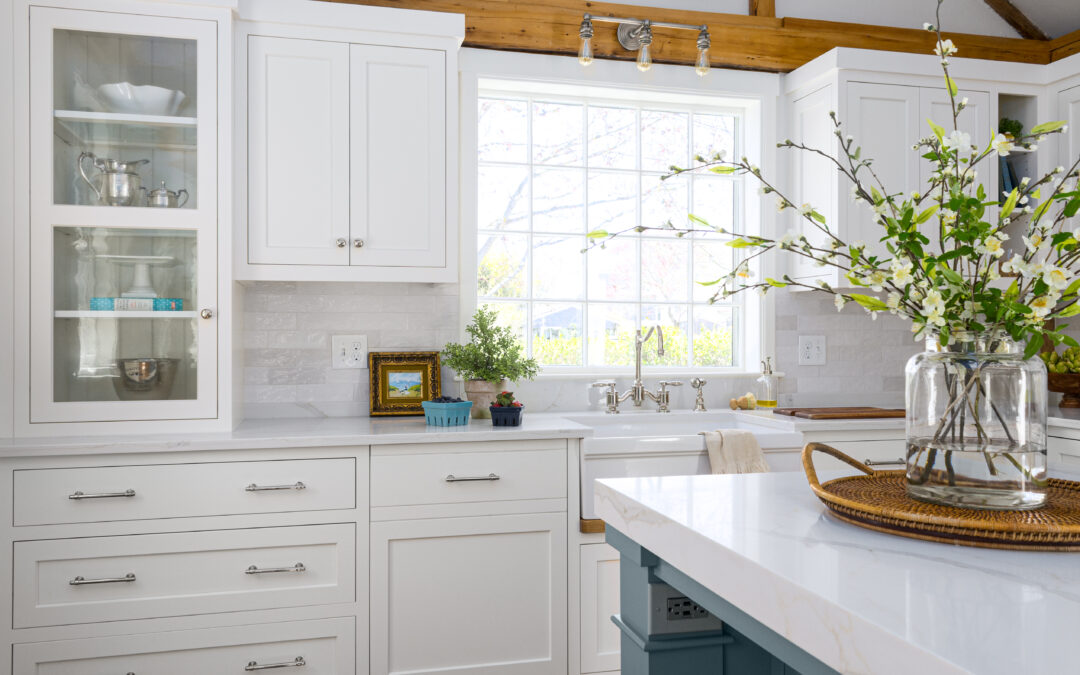
As we move into the new year, many homeowners are ready to transform their kitchens into the beautiful, functional spaces they’ve been dreaming about. After over 20 years of creating custom homes, kitchens, and baths, we’ve learned that successful renovations don’t just happen during construction… they begin with thoughtful preparation. Planning your kitchen renovation starts long before demo day, and taking the right steps early can make all the difference in your experience.
Let’s walk through how to set yourself up for a smooth, stress-minimized renovation journey.
Timing Your Project Right
One of the first questions we discuss with clients when planning your kitchen renovation is: when should we start? The answer depends largely on how you use your home.
For Second Homes: If your kitchen is in a vacation property, off-season renovations are ideal. Scheduling your project during the months when you’re not actively using the space means you won’t miss out on precious family time there. Plus, contractors often have more availability during their slower seasons, which can sometimes mean more flexibility in scheduling.
For Primary Residences: Timing gets a bit more complex when it’s the kitchen you use every day. Consider your family’s rhythm. Many of our clients prefer to avoid major disruptions during the school year or around major holidays when the kitchen becomes command central. If you work from home, think about how construction noise and activity might affect your schedule. That said, there’s rarely a “perfect” time… sometimes you just need to commit and make it work.
Plan for the Long Haul: Custom cabinetry and quality renovations take time, often several months or longer from initial design through final installation. This isn’t a rush job, and that’s actually a good thing. The craftsmanship that goes into custom work, from design development to fabrication to installation, simply can’t be hurried. When you see the finished result, you’ll understand why patience pays off.
Before Demo Day
The weeks leading up to demolition are crucial for protecting your home and setting yourself up for success.
Clear Out Completely: Start by emptying every cabinet, drawer, and pantry. This is also a perfect opportunity to declutter… donate items you haven’t used in years and toss expired pantry staples. Create a simple inventory system (even a notes app on your phone works) so you know what you have and where you’ve stored it. You’ll thank yourself later when you’re not digging through boxes looking for that one pot you need.
Protect Your Space: Dust and debris are inevitable during renovation, but they don’t have to take over your entire home. While our team helps protect the main areas of your home with plastic barriers and proper sealing, you can take additional steps in adjacent rooms. Move any valuable artwork or family photos, and consider covering furniture in nearby spaces with sheets. If you have HVAC vents in or near the renovation area, cover them to prevent dust from circulating throughout your home.
Relocate Strategically: Before the kitchen becomes a construction zone, move your essential small appliances, cookware, and everyday dishes to wherever you’ll be setting up your temporary kitchen. Do this thoughtfully… bring only what you’ll actually use. This is not the time for the waffle maker you use twice a year.
Setting Up Your Temporary Kitchen
Here’s where you get creative. Your temporary kitchen won’t be glamorous, but it can absolutely be functional.
The Essentials: At minimum, you’ll want a compact refrigerator (or take full advantage of the random garage bonus fridge so many of us hold on to), microwave, toaster oven, and coffee maker or electric kettle. If you have the space and budget, an induction burner or electric griddle can be a game-changer.
Choose Your Location Wisely: Garages, dining rooms, and finished basements are popular temporary kitchen spots. Look for a location with easy access to water (even if it’s just a nearby bathroom) and adequate electrical outlets. You’ll be spending more time here than you think, so choose somewhere that doesn’t feel too cramped or inconvenient.
Storage Solutions: You don’t need anything fancy. Plastic shelving units, stackable bins, and even a rolling cart can keep your temporary setup organized. If you’re using a garage, a folding table provides extra counter space. Keep frequently used items within easy reach and group things logically… all breakfast items together, cooking essentials in another spot, etc.
Meal Planning is Everything: This is where you’ll really adapt. Prep meals ahead of time and freeze them in individual portions you can easily reheat. Your outdoor grill (weather permitting) becomes your best friend, it’s amazing what you can cook outside. Think sheet pan dinners in your toaster oven, rotisserie chickens from the grocery store, and hearty salads that require minimal prep. Embrace the simplicity and remember: it’s temporary.
Lifestyle Adjustments
This is where planning your kitchen renovation extends beyond the physical space and into your daily routines.
Set Expectations Early: Have a family meeting before the project starts. Explain what daily life will look like, how long it will take, and what everyone can do to help. Kids especially benefit from knowing what to expect. When everyone’s on the same page, there’s less frustration when someone asks for the third time, “Where are the cereal bowls?”
The Great Dish Debate: Paper plates and disposable utensils are perfectly acceptable during a renovation. Yes, it’s not the most eco-friendly approach, but it’s temporary, and it significantly reduces stress. If that doesn’t sit right with you, designate a small bin for dirty dishes and wash them in batches in a bathroom or laundry room sink. Choose your battles.
Budget for Eating Out: Be realistic… you will eat out more than usual. Build this into your renovation budget from the start. It’s not a failure of planning; it’s simply part of the process. Consider it an opportunity to explore new restaurants or support local takeout spots you’ve been meaning to try.
Mental Preparation
Perhaps the most important preparation isn’t physical at all.
Keep Your Eyes on the Prize: There will be moments, probably several, when you question your sanity for taking on this project. In those moments, pull out your mood boards, look at your cabinet samples, review your design renderings. Remember why you’re doing this. That beautiful, functional kitchen you’ve been dreaming about is on the other side of this temporary inconvenience.
Build in Flexibility: Not everything will go exactly according to plan, and that’s okay. Custom work sometimes requires adjustments. Materials may arrive later than expected. You might change your mind about a detail once you see it in person. Stay flexible, trust the process, and maintain open communication with your design and build team. We’re all working toward the same goal: creating a space you’ll love for decades to come.
Remember the Outcome: After 20 years in this business, we can confidently say that every client who’s lived through a renovation tells us the same thing: “It was so worth it.” The inconvenience fades quickly, but the joy of cooking in a beautiful, custom-designed kitchen lasts for years.
Ready to Start Planning?
If 2026 is the year you finally tackle that kitchen or bath renovation, we’d love to help bring your vision to life. Our experienced design team will guide you through every step, from initial concepts through final installation, ensuring your project is as smooth and stress-free as possible.
The best time to start planning? Right now. Reach out to schedule a consultation, and let’s create something beautiful together.
Recent Comments