
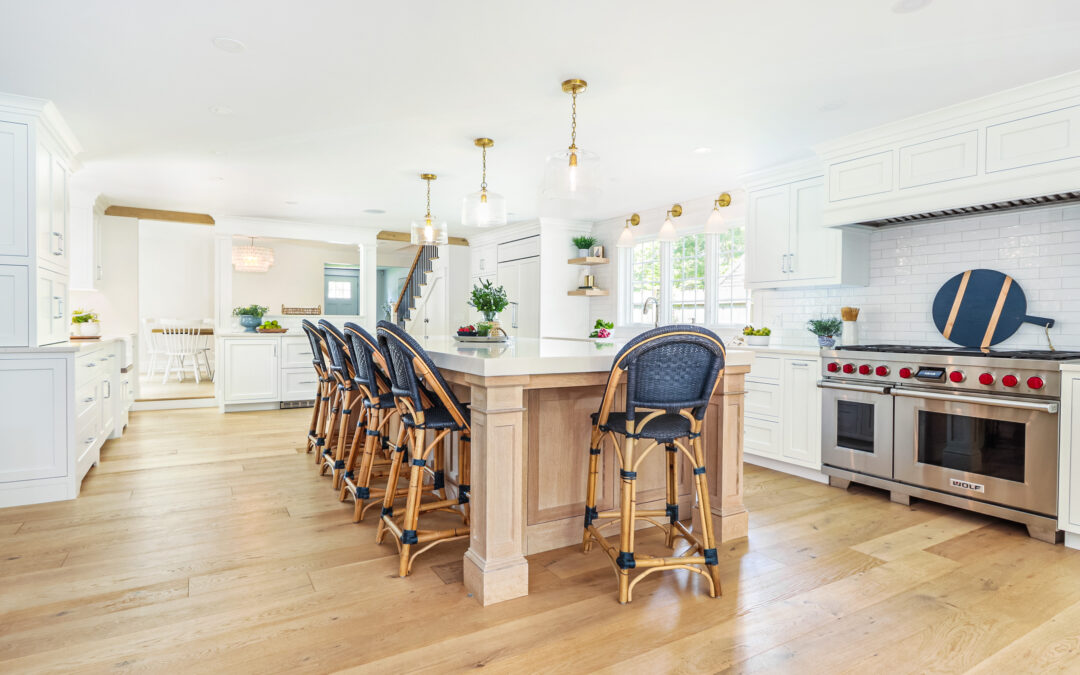
So you’ve got a beautiful kitchen island or a sleek breakfast bar, and now you’re standing in the middle of a furniture store (or endlessly scrolling online) wondering: what on earth is the difference between all these stools? Don’t worry… you’re not alone. Choosing the right seating for your kitchen is one of those decisions that seems simple until you’re suddenly deep in a rabbit hole of seat heights, swivel mechanisms, and performance fabrics.
The good news? Once you understand the key decisions, it all clicks into place. Let’s walk through them together.
Step 1: Get the Height Right
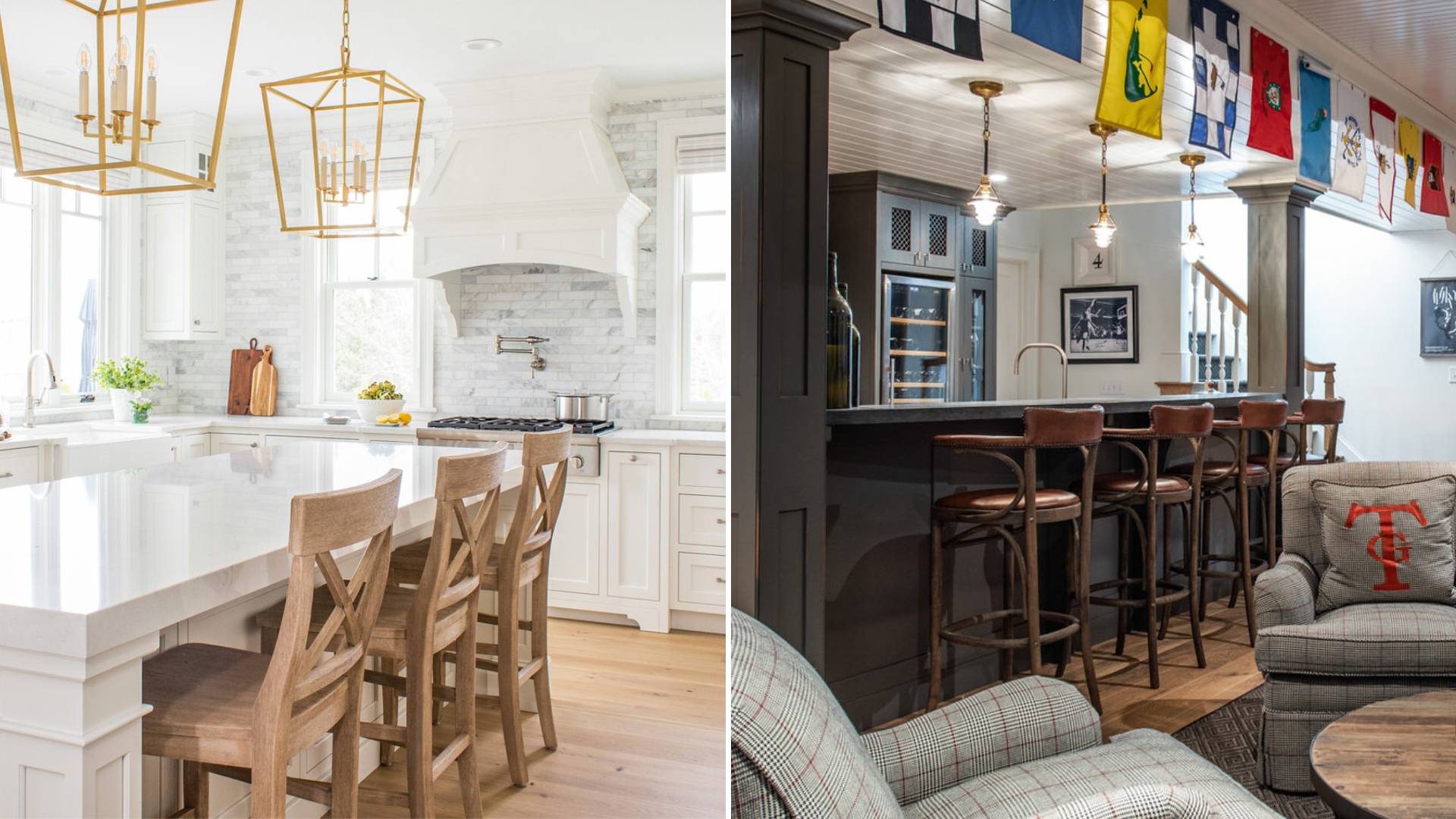
This is the most important decision you’ll make, and thankfully, it’s also the most objective one. Get the height wrong, and no amount of gorgeous style will save you from an uncomfortable dining experience.
Know Your Counter Height First
Before you even look at stools, grab a tape measure and check the height of your counter, island, or bar. Most kitchen surfaces fall into one of three categories:

Match Your Stool to the Surface
The golden rule is to leave 9 to 13 inches between the seat of your stool and the underside of the counter. This gives your legs comfortable clearance and lets you sit naturally without hunching or hovering.

Counter stools are shorter and are designed for standard kitchen islands and counters… the kind most of us have in our homes. Bar stools are taller and are meant for bar-height surfaces, like a raised breakfast bar or a dedicated home bar area.
Don’t assume. Measure your actual counter before ordering anything. “Counter height” and “bar height” are industry terms, but builders and designers don’t always stick to them. A quick measurement takes 30 seconds and can save you a headache (and a return shipping label).
Step 2: Think About Function

Once you’ve nailed down height, it’s time to get real about how these stools will actually be used. This is where the decision gets personal.
Do You Have Kids? (Or Messy Adults?)
Let’s be honest: kitchens are messy places. If you have young children, or if your kitchen island doubles as a homework station, a craft table, and a snack bar, fabric upholstery can be a source of constant stress.
Here’s what to consider:
- Performance fabrics are woven or treated to resist stains, spills, and everyday grime. Look for fabrics labeled as Crypton, Sunbrella, or similar performance-grade materials. They clean up easily — often with just a damp cloth — and hold up beautifully over time.
- Vinyl and faux leather are even more wipe-friendly and tend to be very budget-friendly. They can feel warm and sticky in summer, but for a busy family kitchen, the easy cleanup is often worth it.
- Natural leather is durable and actually gets better with age, developing a lovely patina. It’s easy to wipe down but can crack if not conditioned, and it doesn’t love prolonged moisture.
- Wood or metal seats (no upholstery at all) are the ultimate low-maintenance option. Nothing to stain, nothing to reupholster. They can be less comfortable for long sits, but paired with a seat cushion, they’re surprisingly livable.
How Long Will People Be Sitting?
Think about how your stools will really be used. Quick breakfast before school? A simple backless stool is fine. Long weekend brunches or family dinners at the island? You’ll want to think more carefully about comfort.
Back vs. Backless
- Backless stools are sleek, tuck neatly under the counter, and work beautifully in smaller kitchens where visual clutter is a concern. They’re great for quick sit-downs but can feel tiring for extended seating.
- Stools with a back offer more support and are significantly more comfortable for longer periods. They take up a bit more visual space but feel more like a proper seat.
Arms vs. No Arms
- Armless stools are more versatile and easier to slide in and out from under a counter. They work well when you have multiple stools in a row and need people to get in and out easily.
- Stools with arms feel more like a chair and are wonderful for comfort, but they need extra clearance on the sides, and they don’t tuck under counters as neatly. Make sure your counter has enough overhang and that the arms don’t hit the underside of the surface.
Cushioned vs. Hard Seat
- Upholstered or cushioned seats are more comfortable, end of story. If comfort is a priority, look for seats with at least 2 inches of foam padding.
- Hardwood or metal seats have a beautiful, clean look and are often seen in more modern or industrial spaces. A seat cushion (tied on or removable) can bridge the gap between style and comfort nicely.
To Swivel or Not to Swivel?
Swivel stools are one of those features that feels like a small luxury… until you have them, and then you can’t imagine going back.
The case for swivel:
- Makes it easy to turn and chat with someone in the kitchen without awkwardly twisting your whole body
- Great for kids who like to spin (yes, they will spin)
- Feels more dynamic and interactive, especially at a kitchen island where people face each other
The case against:
- Moving parts mean more potential for wear over time
- Kids. Will. Spin.
- Can feel less elegant in certain traditional or formal styles
- Usually a bit pricier than fixed-seat versions
A middle ground: 360° swivel with a return… the seat swivels freely but returns to a forward-facing position when you stand up. Very practical and feels considered.
Step 3: Choose Your Style
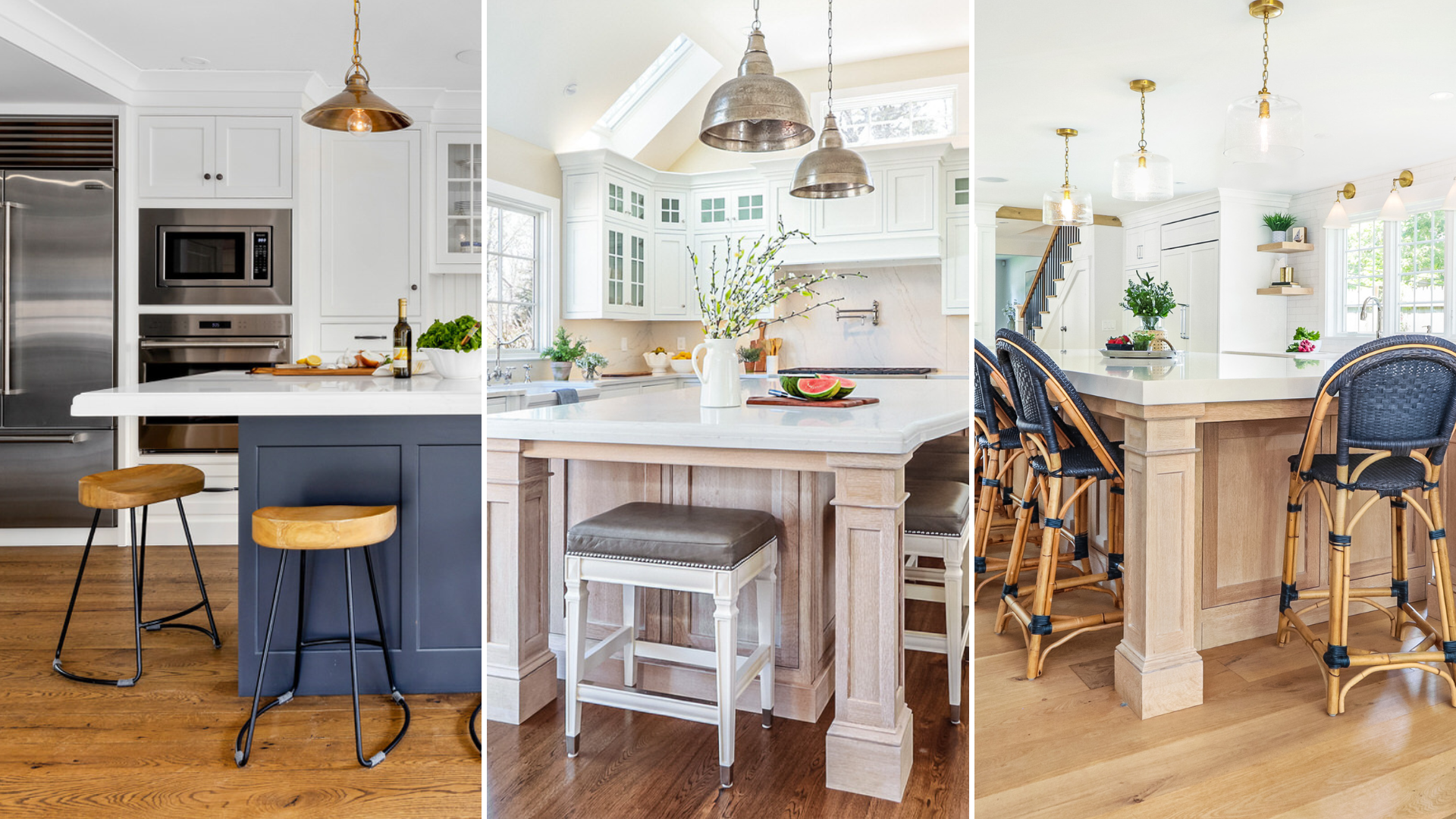
Now for the fun part. Once you’ve sorted out height and function, style is where you get to have a little personality.
Match (or Intentionally Contrast) Your Kitchen
Your stools don’t have to match your kitchen exactly… in fact, a little contrast is often what makes a space feel designed rather than default. But they should feel coherent.
A few guiding principles:
- Finish your metals consistently. If you have brushed brass cabinet hardware, a stool with brushed brass legs will feel intentional. Mixing too many different metal finishes can feel chaotic.
- Consider your flooring and cabinetry. Light wood floors + light oak cabinetry might welcome the warmth of a walnut-stained stool, or the crispness of a white upholstered seat.
- Think about visual weight. A heavy, chunky stool in a small kitchen can feel oppressive. Lighter, more open-leg designs (think thin metal legs) keep the space feeling airy.
Popular Style Directions
Modern / Contemporary: Clean lines, minimal ornamentation, often featuring metal frames in matte black or brushed nickel. Upholstery, if any, tends to be solid and neutral. These work beautifully in kitchens with flat-front cabinetry and quartz countertops.
Mid-Century Modern: Tapered legs, warm wood tones, often a mix of wood and upholstery. Think walnut frames with a camel or rust-colored seat. These have a timeless quality and work in both traditional and contemporary kitchens.
Industrial: Raw materials… distressed wood, black metal, riveted details. These have a lot of character and work especially well with open-concept kitchens that have exposed brick, concrete counters, or pipe-style fixtures.
Traditional / Classic: More decorative legs, nailhead trim, richer fabrics like velvet or linen. Often in warm neutrals or jewel tones. These feel at home in kitchens with raised-panel cabinetry and more ornate hardware.
Coastal / Casual: Light, natural materials… think wicker, rattan, whitewashed wood. Relaxed and effortless. These bring warmth and texture and pair beautifully with white or light gray kitchens.
How Many Stools Do You Need?
Allow at least 16 to 18 inches of counter width per stool for comfortable elbow room. 26 inches per stool is even better if you have the space… it feels generous and grown-up rather than squeezed.

Quick Reference Decision Chart

Putting It All Together
Here’s a simple way to think about the whole decision: start with the non-negotiables (height and durability), then layer in the comfort preferences (back, arms, cushioning, swivel), and finish with the aesthetic choices (style, finish, color).
If you get the height right and choose materials that fit your lifestyle, you’ll love your stools no matter what they look like. And if you also nail the style? Your kitchen is going to feel like a whole new space.
Happy stool hunting. 🪑
Recent Comments