

If you’re concerned about toxins in your kitchen, you’re not alone. Increasing awareness about the hidden dangers in everyday kitchen items, like plastic cutting boards and non-stick cookware, is prompting many to seek safer alternatives. These common kitchen materials can leach harmful chemicals into your food and environment, but the good news is that you don’t have to overhaul your entire kitchen at once. Making non-toxic swaps is a gradual, budget-friendly process that prioritizes your health without sacrificing practicality.
Why Make the Switch?
Plastics and synthetic materials have long been staples in the kitchen, but studies continue to reveal their hidden dangers. Scratched non-stick pans can release toxic compounds into your food, and black plastic cooking utensils may contain harmful fire-retardant chemicals recycled from electronic waste. Microplastics are also a growing concern, with increasing research linking them to potential health risks. By making small, intentional swaps, you can significantly reduce your exposure to these harmful substances.
Non-Toxic Swaps to Start With
1. Ditch Old Non-Stick Cookware
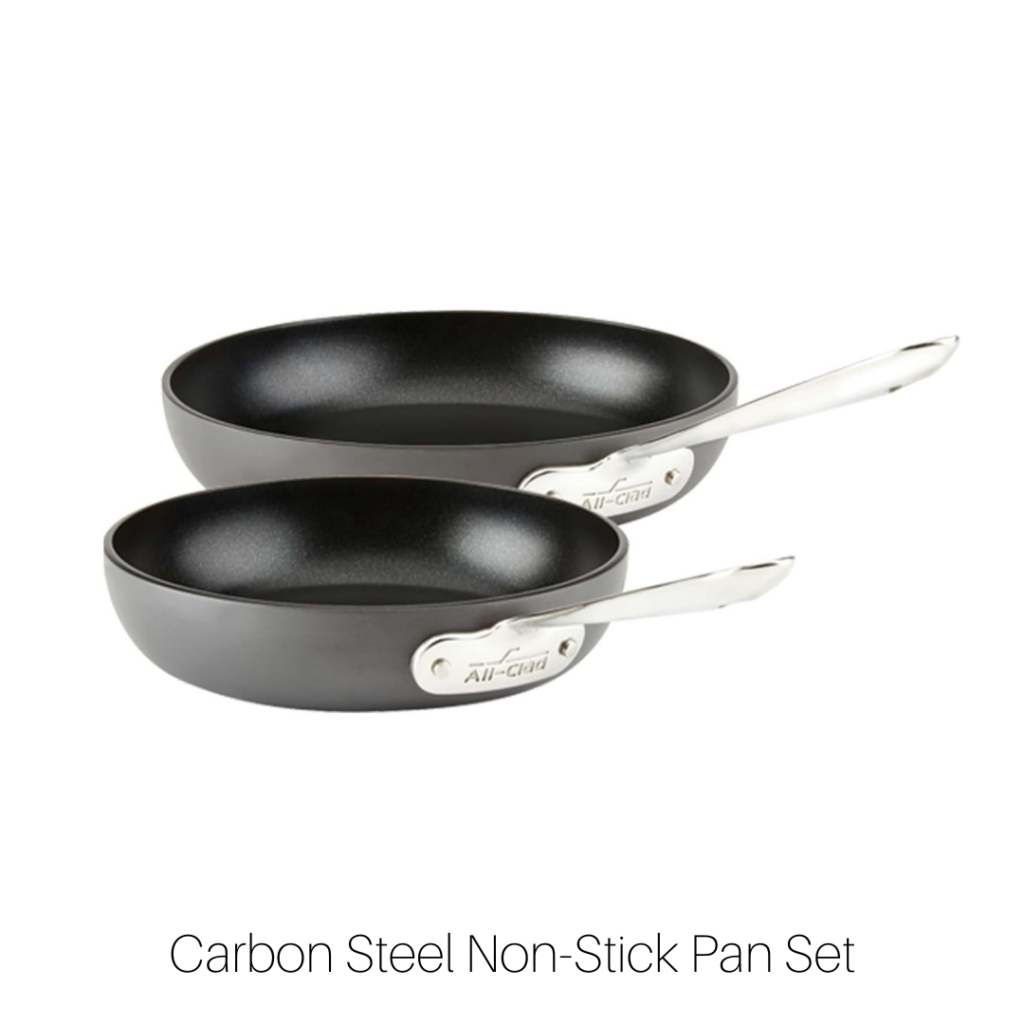
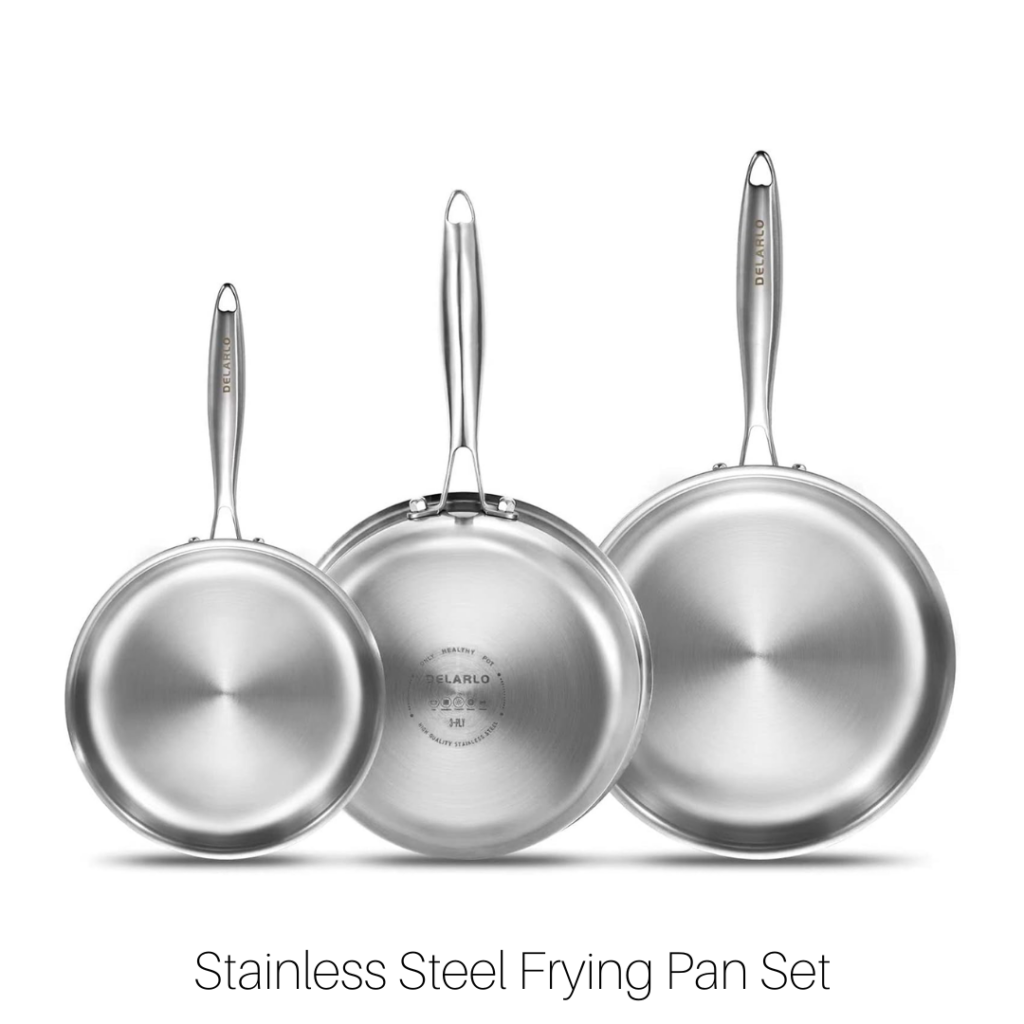
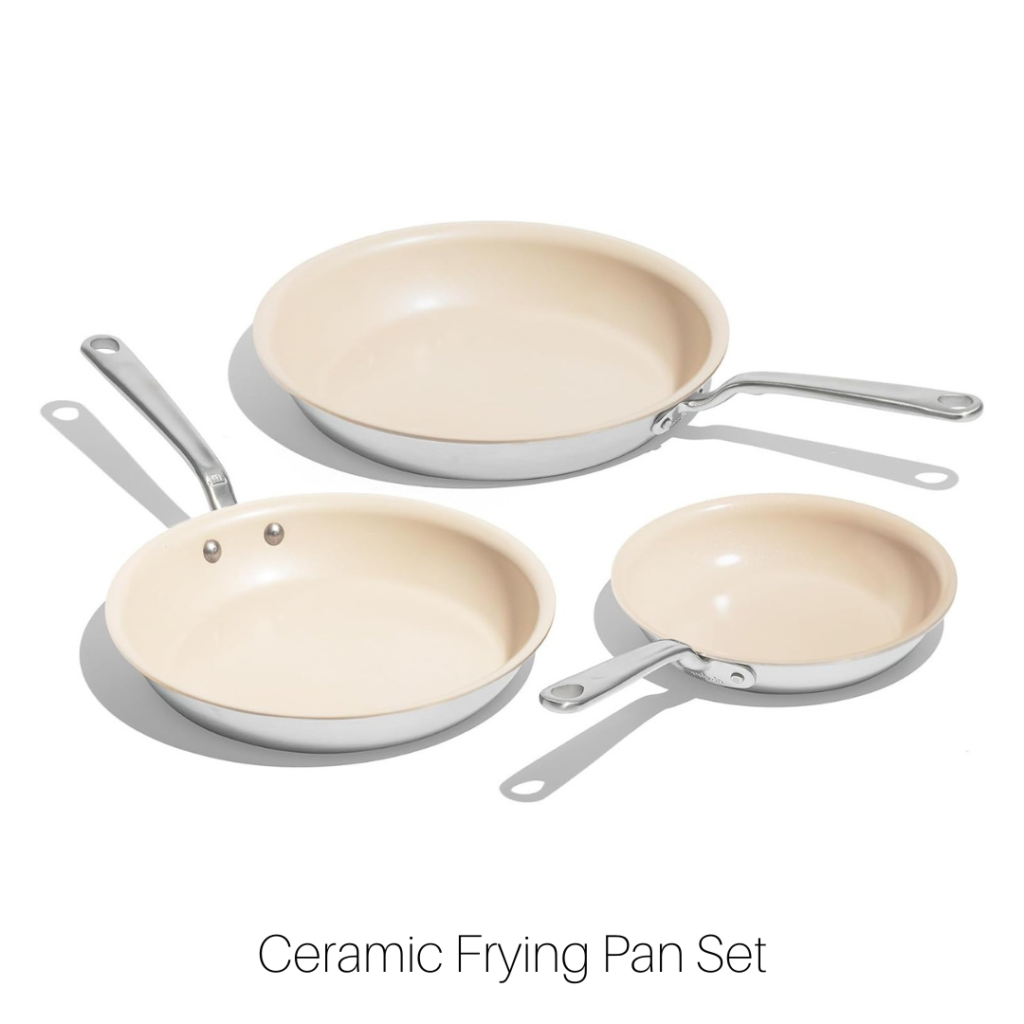
Prior to 2012, many non-stick pans contained perfluorooctanoic acid (PFOA), a chemical linked to various health concerns. While newer pans are PFOA-free, they can still degrade over time, especially when scratched or overheated. Instead of replacing an old non-stick pan with another potentially hazardous option, consider investing in:
- Carbon Steel – Naturally non-stick when seasoned properly
- Stainless Steel – Durable, non-toxic, and great for high-heat cooking
- Ceramic Non-Stick – A safer alternative to traditional non-stick coatings
2. Upgrade Your Cooking Utensils
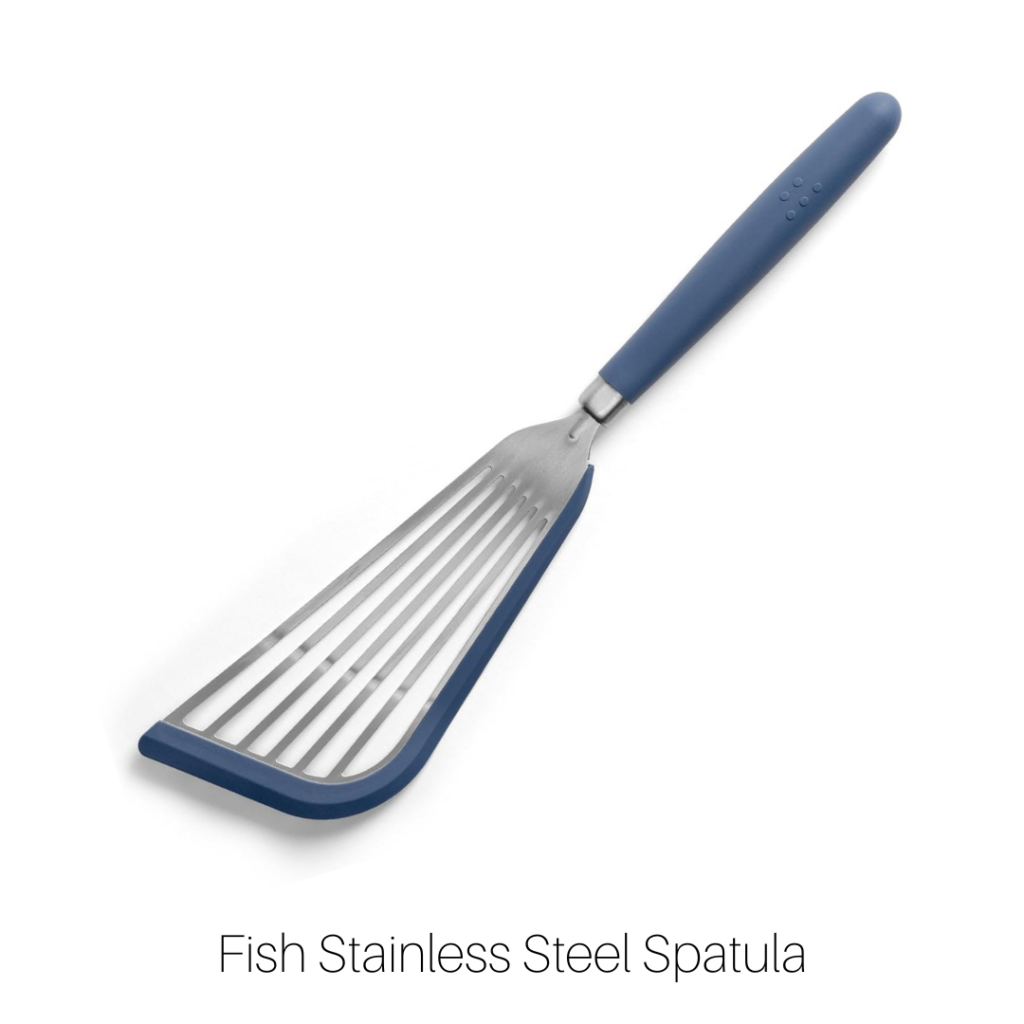
Recent studies have raised concerns about black plastic cooking utensils, which may contain harmful chemicals from recycled electronics. Over time, plastic utensils can break down, leaching microplastics into your food. Swap them out for:
- Wooden utensils – A classic, non-toxic choice
- Stainless steel utensils – Sturdy, long-lasting, and safe at high temperatures
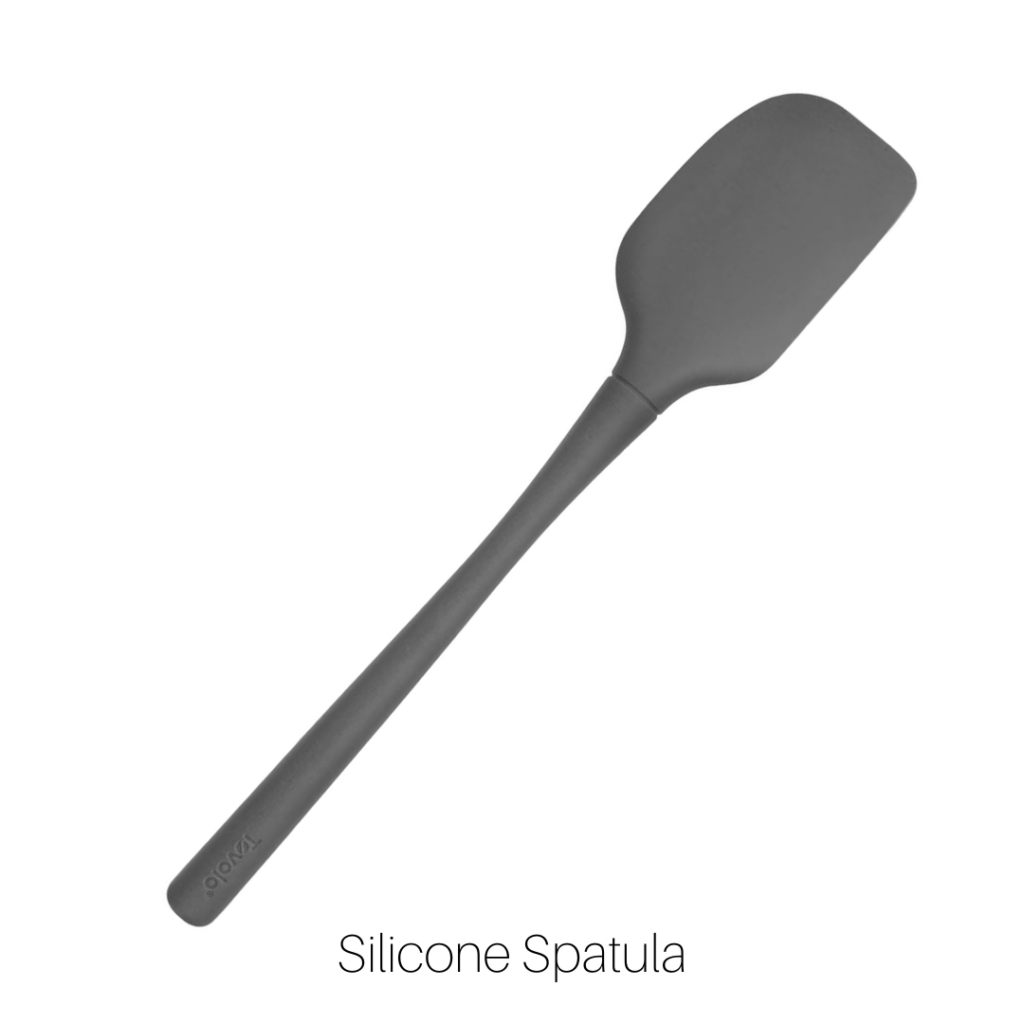
- Silicone utensils – Heat-resistant and free from harmful additives

3. Say Goodbye to Plastic Cutting Boards
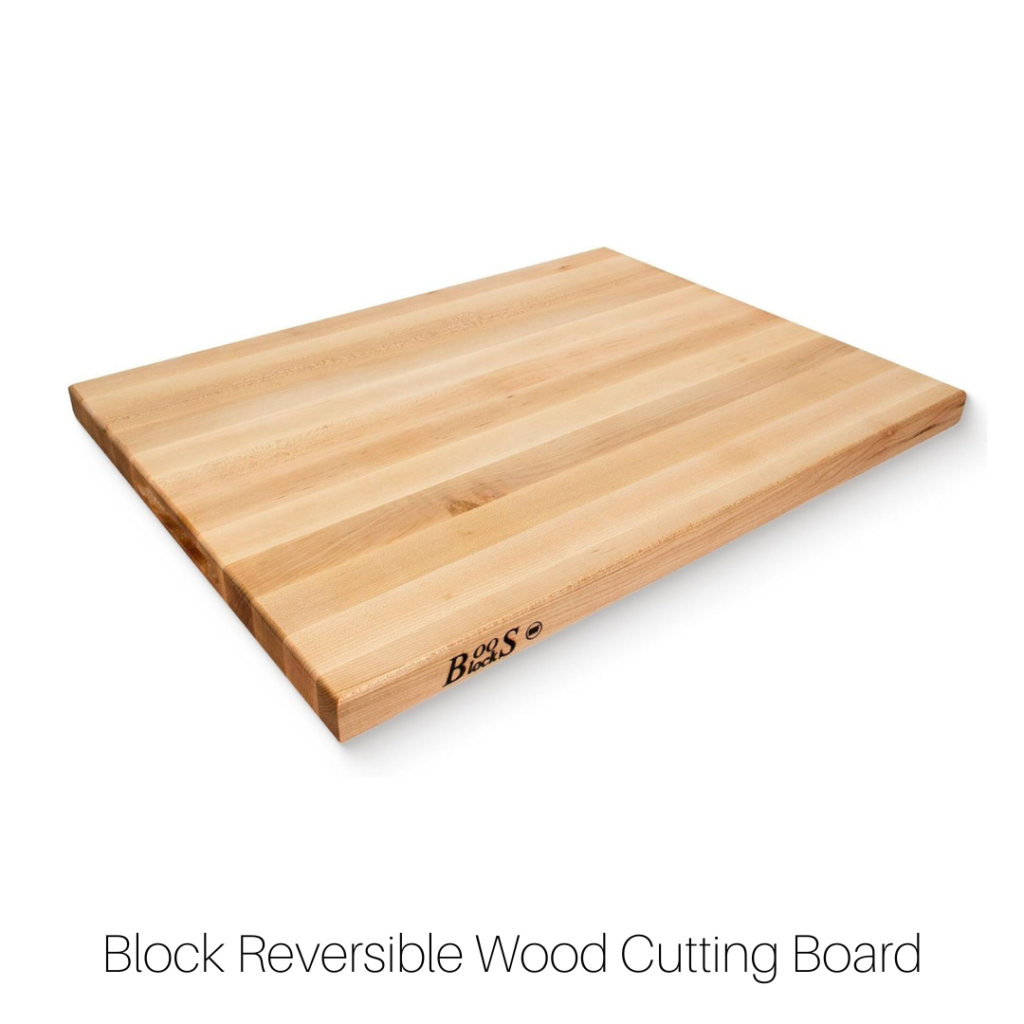
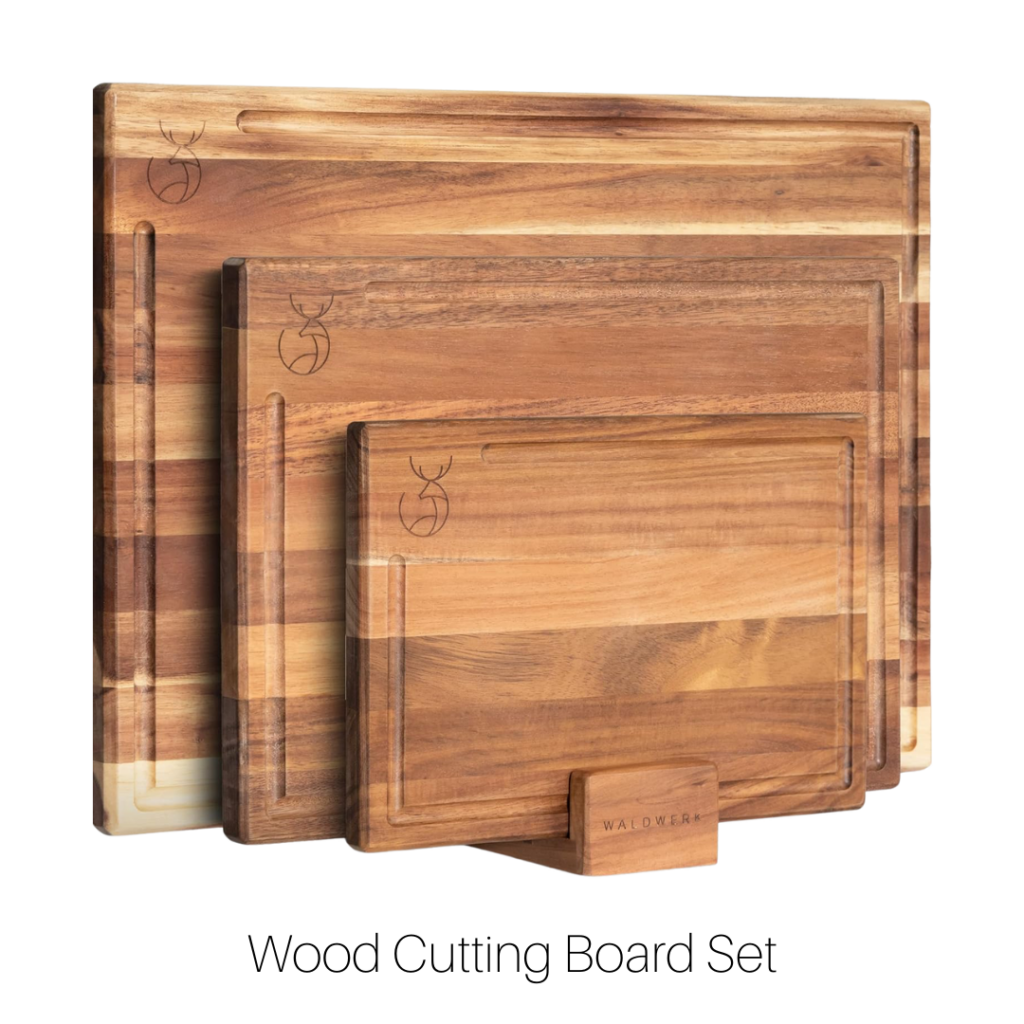
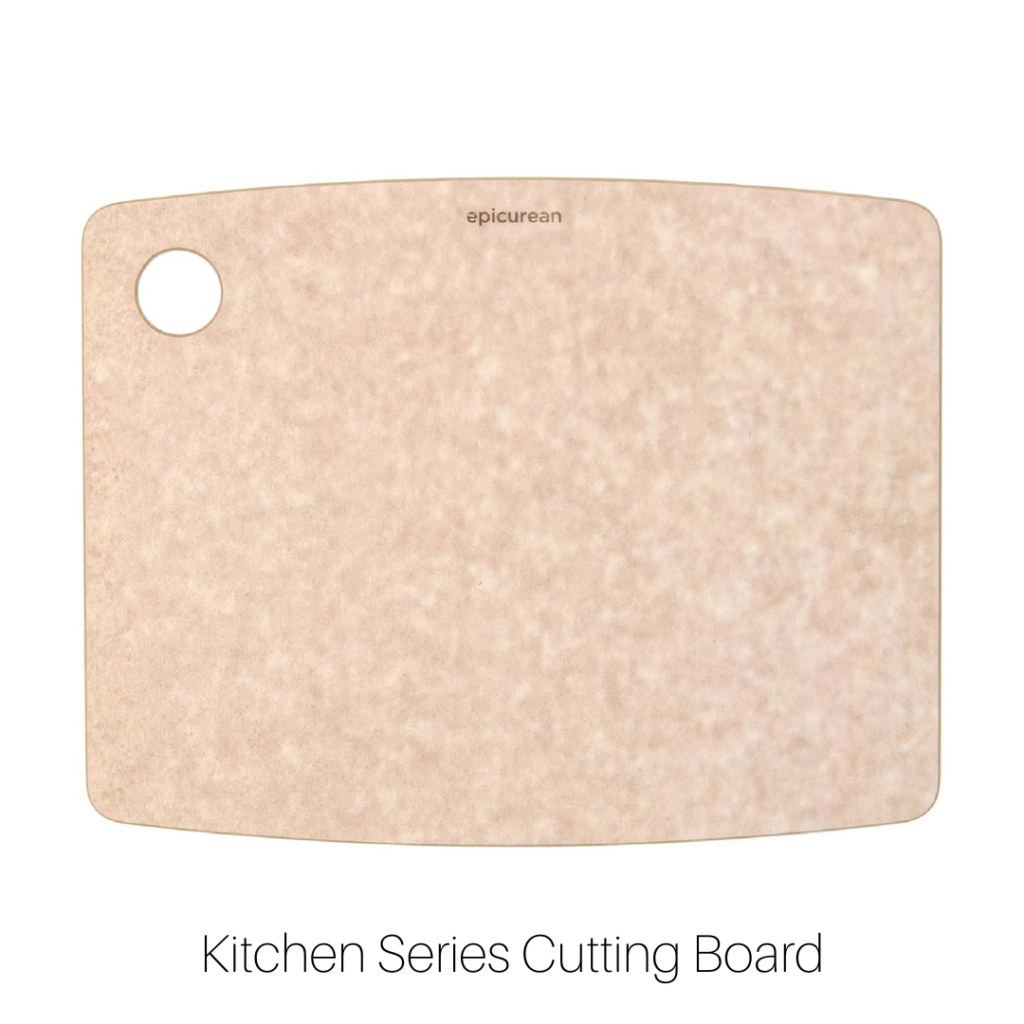
Plastic cutting boards wear down over time, creating deep grooves where bacteria can thrive. Additionally, small plastic particles from the board can end up in your food. Instead, opt for:
- Wood cutting boards – Naturally antimicrobial and durable
- Bamboo cutting boards – Sustainable and easy on knives
4. Choose Safer Bakeware & Storage Options
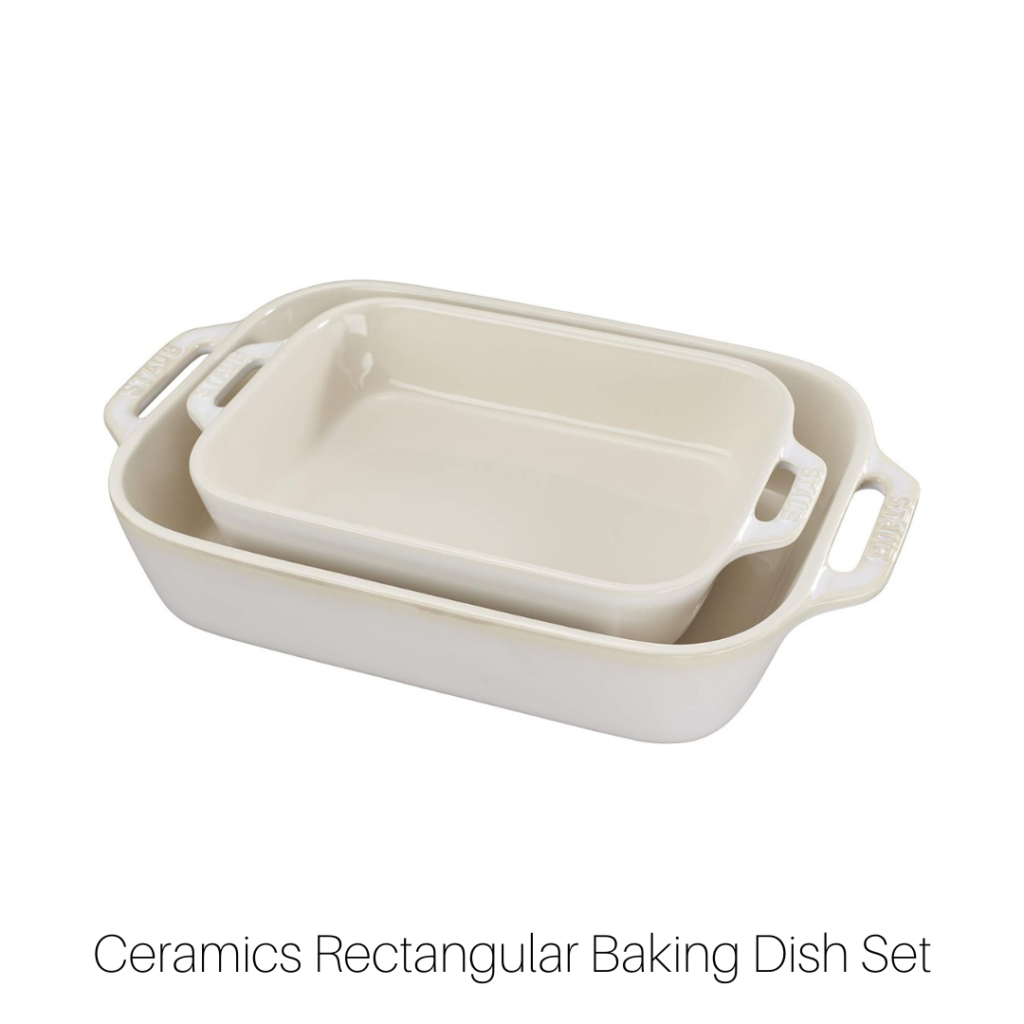
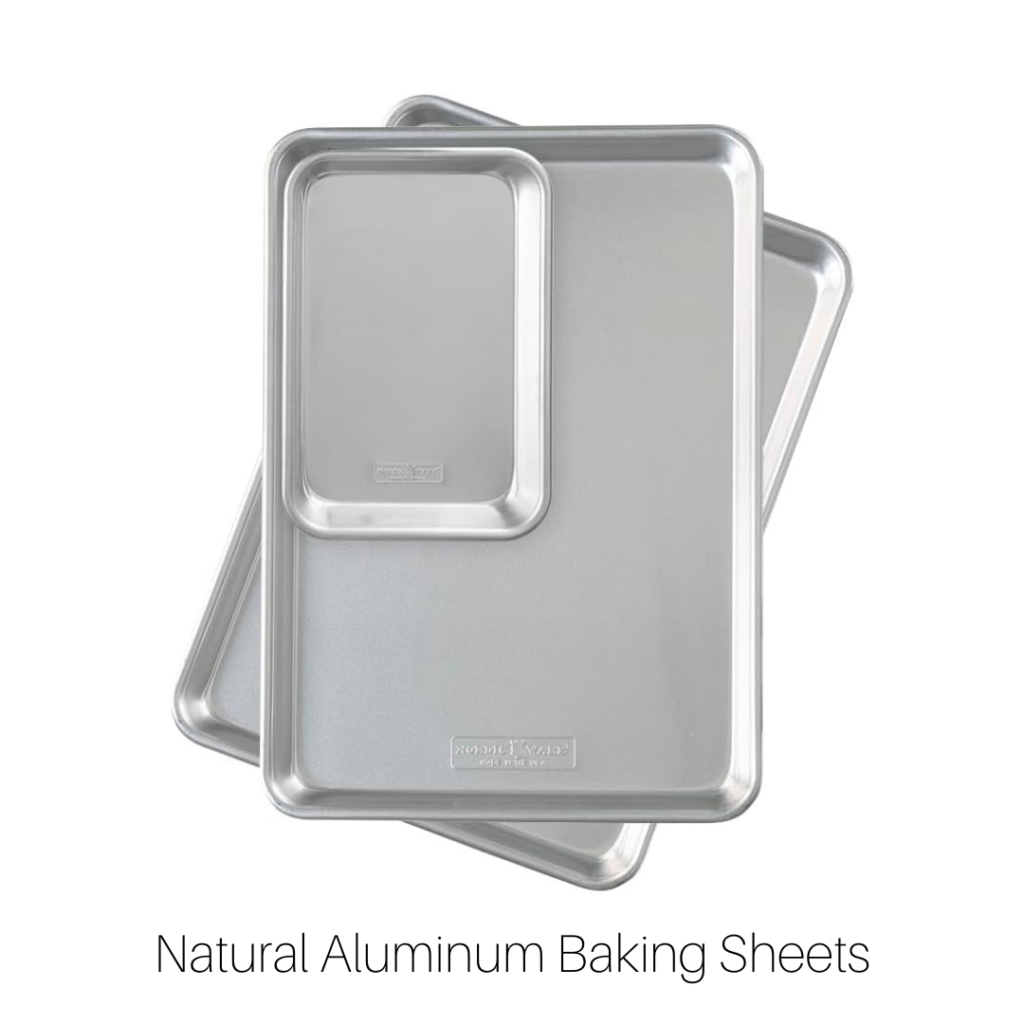
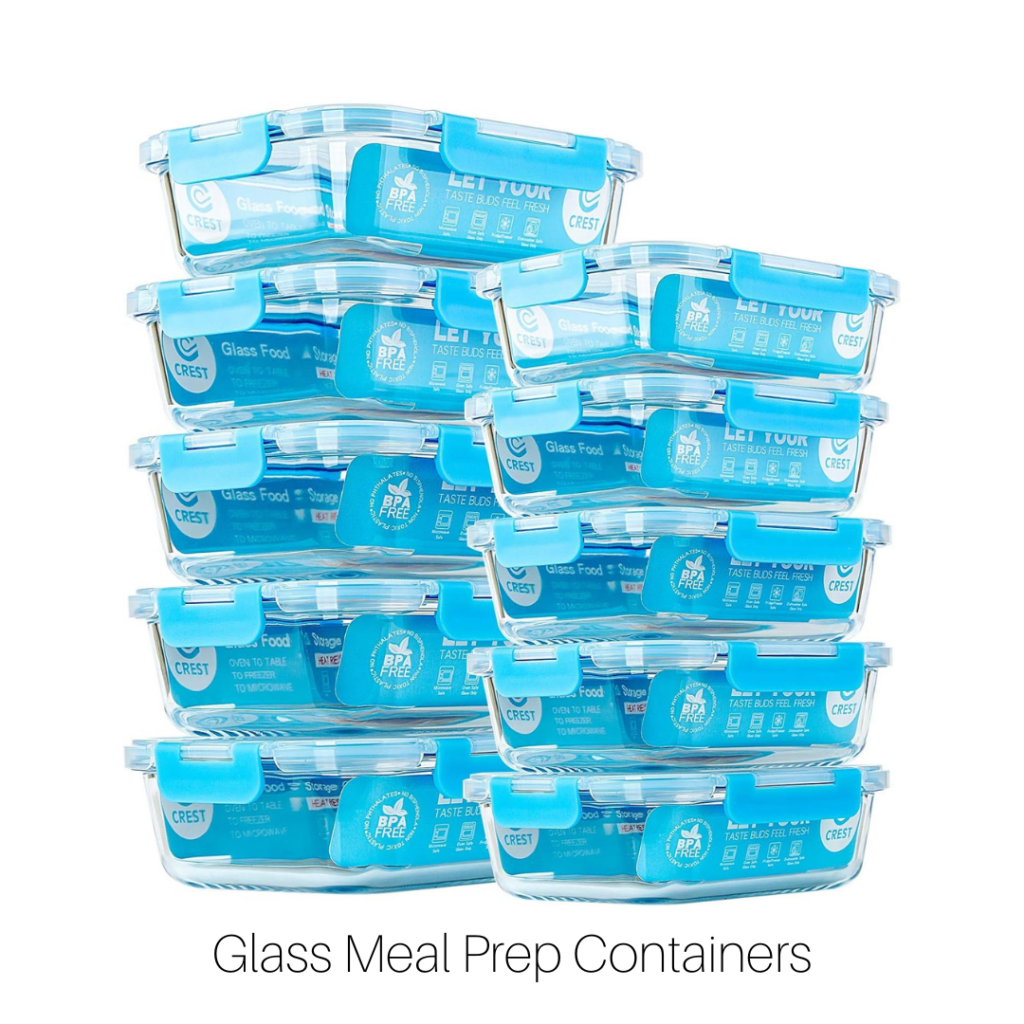
Many traditional baking sheets and food storage containers are coated with potentially toxic materials. Consider replacing them with:
- Glass or ceramic baking dishes – Non-toxic and versatile
- Stainless steel or aluminum baking sheets – Free of coatings that can degrade over time
- Silicone baking mats – A reusable, non-toxic alternative to parchment paper
- Glass food storage containers – Safer than plastic and won’t absorb odors or stains
Making the Transition: One Swap at a Time
Making non-toxic swaps in your kitchen doesn’t have to happen overnight. Start by replacing items as they wear out or when you notice significant damage. Prioritize high-use items first—such as non-stick pans and plastic utensils—and slowly invest in safer options as your budget allows.
If you’re looking for recommendations, we’ve curated a list of our favorite non-toxic kitchen swaps on our Amazon storefront. These include safe and durable alternatives for cookware, utensils, cutting boards, and bakeware to make your transition easier.
Making small changes today can have a big impact on your health in the long run. By slowly reducing your reliance on plastic and synthetic materials in the kitchen, you’re taking a significant step toward a cleaner, healthier way of cooking.
Recent Comments